A water emergency in Tow doesn't wait for a convenient time, and neither do we. Certified technicians, commercial-grade equipment, and a straight answer on cost before anything starts.

We didn't build Water Damage San Antonio TX to be the biggest name in restoration — we built it to be the fastest, most reliable call a Tow property owner makes during a water emergency. Every technician carries current IICRC certification and drives a fully stocked truck, so there's no waiting on a second trip for equipment or a missing part.
A Tow-based crew that's worked hundreds of local jobs catches things an out-of-town company misses — the way older Tow homes were plumbed, which streets flood first, which adjusters need extra photos. That experience shows up in faster, more accurate diagnosis.
We carry full licensing and insurance so you're protected the moment we walk through the door, and every job — big or small, residential or commercial — gets the same attention to documentation and communication.
Property owners in Tow don't call a restoration company on a good day — they call because something has already gone wrong, often at an inconvenient hour. We built our Tow operation around that reality: real people answering the phone, technicians who explain what's happening in plain language, and a process that doesn't leave you guessing about what comes next.

Here's the full range of Burst Pipe Cleanup work our Tow crews perform, from the first emergency call to the final repair.
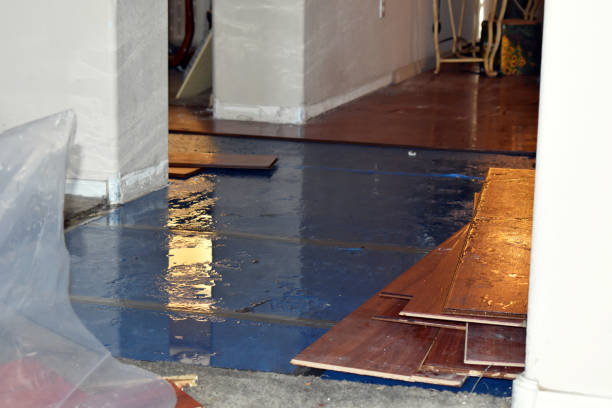
A burst pipe or sudden flood in Tow calls for immediate extraction — we dispatch fast and start pulling standing water the moment we're on-site, before it spreads further.
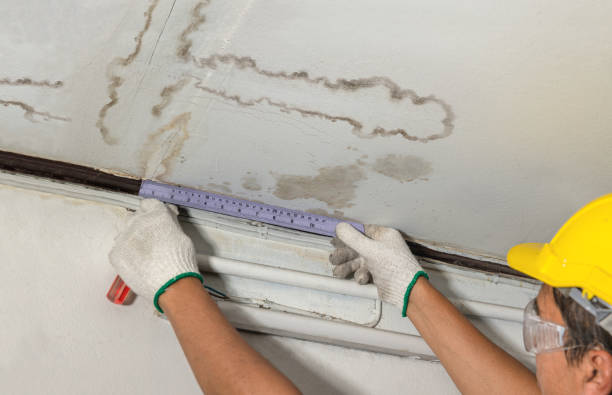
From a failed appliance hose to storm intrusion, we restore Tow homes room by room — drying structural materials and repairing what the water damaged, start to finish.
Property managers and business owners across Tow rely on us for after-hours scheduling and industrial-scale drying that gets doors reopened faster, with less impact on staff.
Mold can start within 24-48 hours of a water event, so we apply antimicrobial treatment and monitor moisture in Tow properties before it takes hold in the first place.
We don't stop at drying — our in-house rebuild team restores what the water damaged, matching materials and finishes so your Tow property looks the way it did before.
Moisture readings, photo records, and itemized scope-of-work reports — prepared the way Tow adjusters expect to see them, speeding up approval.
Here's exactly what to expect once you dial +1-844-499-0972.
A real person answers and dispatches the nearest Tow tech immediately, no phone tree involved.
Our Tow crew inspects the full scope before starting work, so nothing gets missed.
Standing water is extracted first with commercial pumps, then saturated materials come next.
We track drying progress with moisture meters daily, adjusting equipment as needed.
Repairs begin once dry, then we walk the property with you before sign-off.
Mold and structural damage set in fast — reach out the moment you spot water, and help is already on the way.
📞 +1-844-499-0972Anyone can promise fast and honest. Here's what Water Damage San Antonio TX actually delivers to every Tow customer.
We quote clearly and explain every charge, so nothing is sprung on you once the job is already underway or the invoice arrives.
We stage locally so Tow calls don't sit in a queue waiting on a crew from across the state or a nearby region.
Every technician meets IICRC S500 standards and carries full insurance, so you're never taking on liability by letting us into your Tow property.
Our reports are built to speed up claims, not slow them down — formatted the way Tow adjusters expect to see them.
If something isn't right, we come back and fix it — no arguments, no extra charge, and no runaround about scheduling.
We understand common construction types and drainage issues across Tow neighborhoods, which speeds up diagnosis and cuts down guesswork.
Here's what Tow homeowners and business owners had to say after calling us during a real emergency.
Our basement took on water during a bad storm and I had no idea where to start. Water Damage San Antonio TX walked me through everything and had the space dry within a week, with photos the whole way for our claim.
I manage a few rental properties in Tow and Water Damage San Antonio TX is the only restoration company I trust with a tenant emergency. They document everything and communicate constantly, which makes my job easier.
Our restaurant had a pipe burst in the back kitchen right before dinner service. Water Damage San Antonio TX worked around our hours and we barely missed a beat.
From the first call to the final walkthrough, nothing felt like a guessing game about what came next.
A pipe froze and burst during a cold snap. The crew handled extraction, drying, and drywall repair — one company, start to finish, no handoffs.
A slow roof leak we didn't notice for weeks turned into a bigger job than expected, but the team explained every step and never surprised us with the invoice.
After years of Tow calls, these sources come up again and again.
Worn supply lines behind appliances fail gradually, and water can spread through a Tow property for hours before anyone catches it, soaking into flooring and cabinetry along the way.
Heavy storms and aging roofing materials contribute to water intrusion in Tow properties, especially in older roof systems nearing the end of their lifespan and due for replacement.
A failed sump pump is one of the fastest ways a Tow basement floods — often within a single storm, with little warning beforehand.
Water heaters and washing machines are common sources of slow leaks that cause significant damage in Tow properties before anyone notices anything is wrong at all.
Older Tow neighborhoods with mature landscaping and settled soil often see recurring drainage-related water issues.
HVAC condensation lines and mechanical equipment can leak slowly for weeks in Tow properties, often going unnoticed until a ceiling stain or musty smell appears.
Anyone can put "certified" on a website — here's what actually stands behind that word at Water Damage San Antonio TX.
Every technician sent to a Tow property completes IICRC water damage restoration training at minimum, with many holding advanced structural drying certification for more complex losses.
Beyond initial certification, our Tow team completes ongoing continuing education, and every technician is vetted before ever responding to a call.
No matter what kind of property you own or manage in Tow, our crews are equipped to handle it.
Whether your Tow property is a single-story home, a multi-unit building, or a commercial storefront, the fundamentals stay the same — extract, dry, monitor, repair — but the details of execution change based on materials and construction.
We stay familiar with Tow's seasonal risks, from storm season flooding to winter freeze-thaw cycles that stress older pipes, which helps us anticipate problems before they escalate.
Here's what actually drives the cost of a Burst Pipe Cleanup job in Tow, explained plainly before you ever get a bill.
Cost in Tow is driven mainly by how much square footage is affected, what type of water was involved, and how long it sat before we arrived. A contained spill caught within an hour costs far less than water that's soaked into flooring and drywall overnight.
Materials matter too — hardwood floors, plaster walls, and built-in cabinetry generally cost more to restore than standard drywall and carpet. We walk through all of this on-site before any work begins, so the number you're given reflects your actual Tow property, not a generic estimate.
Water damage isn't a single-season problem in Tow — different times of year bring different risks, and we stay ready for all of them.
Cold snaps bring the risk of frozen and burst pipes, especially in older Tow homes with pipes running through unheated attics, crawlspaces, and exterior walls. Warmer months bring heavy rain and storm systems capable of overwhelming drainage and roofing that's been slowly deteriorating all year.
That's part of why our Tow dispatch runs the same 24/7 schedule no matter the season — the cause of a water emergency changes throughout the year, but the need for a fast response doesn't.
Here are a few extra services worth knowing about if your Tow situation calls for them.
For sewage backups or standing water that's been sitting a while, we offer specialized sanitizing and odor treatment beyond standard drying in Tow properties.
We can pack out, clean, and store affected belongings during a Tow job so reconstruction can proceed without personal items in the way.
Some Tow customers request a post-job air quality check for extra peace of mind, and we can help coordinate that testing.
Our Tow dispatch runs 24/7 with an average arrival around an hour. During major storms call volume rises across Tow, so we'll give you an honest estimate rather than a vague promise.
Yes — before equipment goes in, we walk you through the scope and give a clear estimate, and explain any change in scope before proceeding, not after the invoice arrives.
Our Tow emergency lineup covers extraction, drying, sanitizing, and temporary containment — everything needed in the first critical hours after a loss.
In most cases, yes — we document the loss with photos and moisture readings and can bill many insurers directly, and can join an adjuster call if that helps.
Drying time varies, but typical Tow jobs run several days — we check readings at every visit so drying isn't cut short.
We treat visible mold as part of the overall process, containing the area before rebuild work begins and verifying with follow-up checks.
Absolutely — we work on homes, apartments, retail spaces, and offices throughout Tow, scaling equipment and crew size to match the job.
If safe, shut off the water source, move valuables away, and avoid electrical outlets near standing water. Our dispatcher will guide you through the rest by phone.
Yes, we stand behind every job — if something isn't right, we return and fix it at no extra charge, no arguments involved.
We offer a free initial assessment for most Tow calls so you understand the scope before committing to anything.
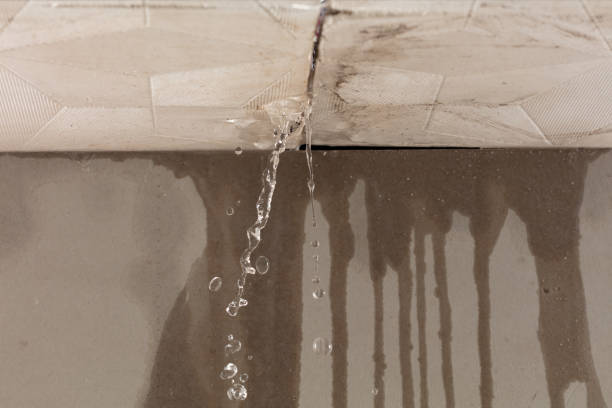
Here's what our dispatchers typically walk Tow callers through while a technician is en route.
If the water is coming from a pipe or appliance you can safely reach, shut off the supply valve or main line.
If water is anywhere near an electrical panel or outlet, stay clear of that area entirely.
If safe, move furniture, electronics, and documents away from the affected area or up off the floor.
A quick photo record of standing water and affected belongings smooths out the claims process.
If weather allows, opening windows can help slow humidity buildup until our Tow team arrives with drying equipment.
The sooner you call, the sooner a Tow technician starts heading your way.
A shop vac and a couple of fans can make a Tow property look dry on the surface — but "looks dry" and "is actually dry" are two different things.
What makes DIY cleanup risky isn't the initial mop-up — it's everything you can't see afterward. Household fans move air across a surface, but they don't pull moisture out of building materials the way commercial dehumidifiers do, and that gap is where Tow homeowners end up with mold problems months later.
There's also the insurance side. Without professional documentation — moisture readings, photos, a written scope — it's harder to support a claim if secondary damage shows up later. Our Tow technicians build that record as part of every job.

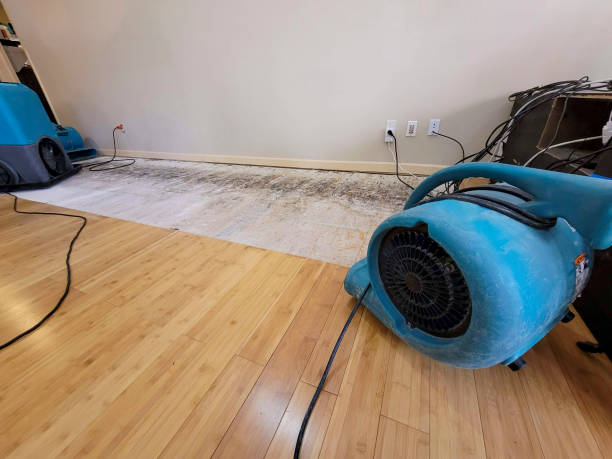
Every vehicle in our Tow fleet carries commercial extraction pumps, industrial dehumidifiers, and thermal imaging cameras — the same gear used on large commercial losses, scaled for residential jobs.
A rental-store fan moves air across a surface. Our dehumidification setup actively pulls moisture out of building materials, cutting drying time from weeks down to days on most Tow jobs.
We also maintain our equipment on a strict schedule rather than running gear until it fails mid-job, so what shows up at your Tow property is working at full capacity.
A guarantee only means something if it's specific — here's what we commit to for every Tow job.
Every Tow job includes a follow-up check to confirm drying targets were actually hit. If a reading is still elevated behind a baseboard, we return and address it at no extra charge.
We also stand behind our estimates. If the actual scope turns out smaller than expected, you pay less. If it's more involved once we open a wall or pull flooring, we pause, explain what we found, and get your approval before continuing.
Filing a claim after a water loss can feel overwhelming — our Tow team handles the documentation side so you don't have to.
As soon as our crew starts work in Tow, they're also building your claim file: photographs, logged readings at each visit, and a detailed scope of work that often shortens the path to approval.
We also offer direct billing arrangements with many insurers serving Tow, so in eligible cases you may not have to pay the full cost up front and wait for reimbursement.
Occasionally an adjuster requests more detail than the initial report includes. We keep our files thorough enough that we can usually answer follow-up questions without a second site visit.
Our Tow footprint covers residential neighborhoods and commercial districts alike.
Not sure if your address falls inside our Tow coverage area? Call +1-844-499-0972 and we'll confirm instantly.
Whether you're in a dense Tow neighborhood or a property further out toward the edge of our service area, our dispatch network is built to keep response times consistent — that means staging crews and equipment throughout Tow rather than relying on a single central depot.

This map shows our general Tow coverage footprint. Call +1-844-499-0972 to confirm coverage for your address.
One call to +1-844-499-0972 gets a certified Tow technician heading your way — 24 hours a day, 7 days a week, including holidays.
📞 Call +1-844-499-0972