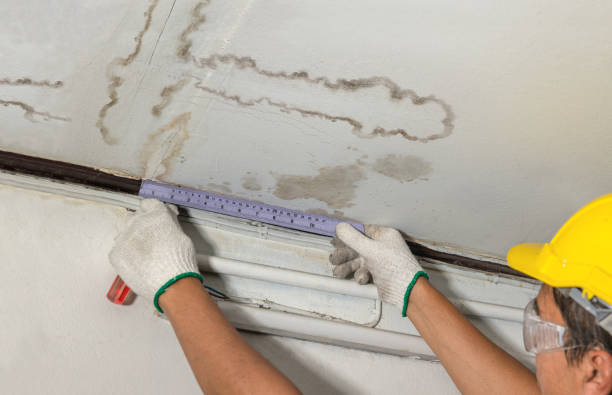
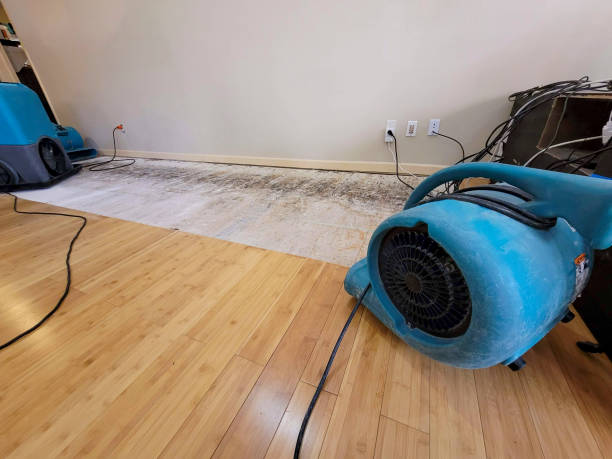
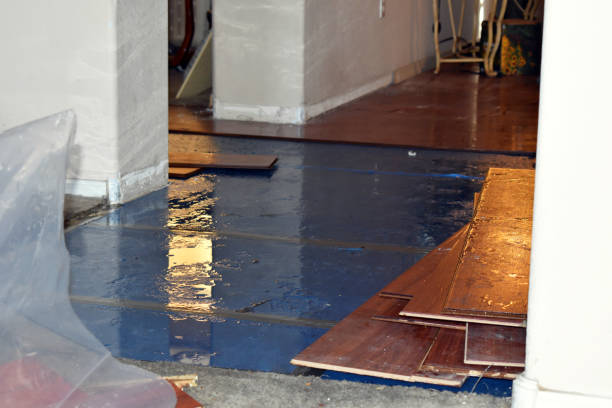
Water Damage San Antonio TX built its name in Tow on one thing: showing up fast and finishing the job right — extraction, drying, sanitizing, and repair, all under one roof.

Water Damage San Antonio TX runs a dedicated Tow dispatch so a call at 3am gets the same fast response as a call at 3pm. Every technician is IICRC-certified, background-checked, and trained on the kind of water damage this region sees most often — from storm flooding to winter pipe bursts. We don't outsource dispatch to a call center hundreds of miles away; the person answering your call knows Tow.
Being local matters more than most people expect. Our crews know which Tow neighborhoods deal with older plumbing, which basements flood first during heavy rain, and what documentation a Tow-area insurance adjuster typically wants to see. That local knowledge shortens the gap between "water everywhere" and "problem handled."
We carry full licensing and insurance so you're protected the moment we walk through the door, and every job — big or small, residential or commercial — gets the same attention to documentation and communication.
A water emergency rarely happens at a convenient time, which is exactly why Water Damage San Antonio TX staffs Tow dispatch around the clock instead of routing calls to an answering service. When you call, you get a real conversation and a real timeline.

Water damage rarely stays contained to one problem, which is why our Tow service list covers the entire event — not just the initial cleanup.
When water is actively spreading through a Tow property, our emergency crews arrive with commercial pumps and extraction units to stop the loss from getting worse, then move straight into drying.
From a failed appliance hose to storm intrusion, we restore Tow homes room by room — drying structural materials and repairing what the water damaged, start to finish.
We schedule around your Tow business's hours wherever possible, using large-capacity drying equipment to minimize downtime and disruption.
Mold can start within 24-48 hours of a water event, so we apply antimicrobial treatment and monitor moisture in Tow properties before it takes hold in the first place.
Once a Tow property is fully dry, our reconstruction crew handles drywall, flooring, trim, and paint — one company from emergency call to finished repair, with no handoffs.
Moisture readings, photo records, and itemized scope-of-work reports — prepared the way Tow adjusters expect to see them, speeding up approval.
Here's exactly what to expect once you dial +1-844-499-0972.
Dispatcher gathers basics and gets a crew moving right away toward your address.
Our Tow crew inspects the full scope before starting work, so nothing gets missed.
Standing water is extracted first with commercial pumps, then saturated materials come next.
Air movers and dehumidifiers run until every reading confirms the structure is fully dry.
We finish with a full walkthrough before closing the job, addressing any last questions.
The longer water sits in your Tow property, the more expensive the repair gets. One call gets a crew moving right now.
📞 +1-844-499-0972We built our Water Damage Repair process around the things that actually matter to Tow homeowners and business owners during a stressful event.
You'll know the cost before work begins — no surprise line items on the invoice, and no pressure to upsell services you don't need. That's a promise, not a sales pitch.
We stage locally so Tow calls don't sit in a queue waiting on a crew from across the state or a nearby region.
We hold active TX licensing and ongoing certification, not a one-time class from years ago that's since gone stale.
Our reports are built to speed up claims, not slow them down — formatted the way Tow adjusters expect to see them.
If something isn't right, we come back and fix it — no arguments, no extra charge, and no runaround about scheduling.
Local experience means fewer surprises — we've likely handled a similar loss elsewhere in Tow before and know what to expect.
Nothing explains a Water Damage Repair job better than the people who lived through it.
A supply line under our kitchen sink failed overnight and by morning half the floor was ruined. The crew was here fast and explained the drying plan clearly before touching a thing.
As a landlord I've dealt with a couple water emergencies over the years. This was the smoothest — fast response, clear pricing, solid follow-through.
Our restaurant had a pipe burst in the back kitchen right before dinner service. Water Damage San Antonio TX worked around our hours and we barely missed a beat.
What stood out was the honesty — they told us plainly what could be saved and what needed replacing instead of running up the bill unnecessarily.
A pipe froze and burst during a cold snap. The crew handled extraction, drying, and drywall repair — one company, start to finish, no handoffs.
Our HOA had a common-area pipe failure that flooded two units. Water Damage San Antonio TX coordinated with both owners and our property manager without dropping the ball once.
After years of Tow calls, these sources come up again and again.
Worn supply lines behind appliances fail gradually, and water can spread through a Tow property for hours before anyone catches it, soaking into flooring and cabinetry along the way.
Heavy storms and aging roofing materials contribute to water intrusion in Tow properties, especially in older roof systems nearing the end of their lifespan and due for replacement.
A failed sump pump is one of the fastest ways a Tow basement floods — often within a single storm, with little warning beforehand.
A failing water heater can leak for weeks, often causing more structural damage than a sudden burst would have caused.
Improper grading around a Tow property's foundation directs rainwater toward the structure instead of away, causing chronic basement moisture over time.
HVAC condensation lines and mechanical equipment can leak slowly for weeks in Tow properties, often going unnoticed until a ceiling stain or musty smell appears.
Anyone can put "certified" on a website — here's what actually stands behind that word at Water Damage San Antonio TX.
Every technician sent to a Tow property completes IICRC water damage restoration training at minimum, with many holding advanced structural drying certification for more complex losses.
Beyond initial certification, our Tow team completes ongoing continuing education, and every technician is vetted before ever responding to a call.
From older single-family homes to modern commercial buildings, our Tow equipment and approach adapt to the property.
Whether your Tow property is a single-story home, a multi-unit building, or a commercial storefront, the fundamentals stay the same — extract, dry, monitor, repair — but the details of execution change based on materials and construction.
Local familiarity means understanding which Tow neighborhoods see more basement flooding and where storm drainage tends to back up — that knowledge helps us respond faster and more effectively.
Every Tow water loss is different, so pricing depends on a handful of specific factors rather than a flat rate.
Cost in Tow is driven mainly by how much square footage is affected, what type of water was involved, and how long it sat before we arrived. A contained spill caught within an hour costs far less than water that's soaked into flooring and drywall overnight.
Materials matter too — hardwood floors, plaster walls, and built-in cabinetry generally cost more to restore than standard drywall and carpet. We walk through all of this on-site before any work begins, so the number you're given reflects your actual Tow property, not a generic estimate.
Understanding how Tow's seasons affect water risk can help property owners know what to watch for.
In Tow, winter freeze-thaw cycles stress plumbing in ways that often aren't visible until a pipe actually fails, while spring and summer storm systems test roofing and drainage that may have been fine the rest of the year.
That's part of why our Tow dispatch runs the same 24/7 schedule no matter the season — the cause of a water emergency changes throughout the year, but the need for a fast response doesn't.
Beyond our core Water Damage Repair lineup, we offer a handful of additional services that Tow customers frequently request.
For sewage backups or standing water that's been sitting a while, we offer specialized sanitizing and odor treatment beyond standard drying in Tow properties.
For larger Tow losses, we offer content pack-out and cleaning so your belongings are protected while repairs are underway.
After remediation, we can arrange air quality testing for Tow customers who want independent confirmation that mold spore counts are back to normal.
In most cases we can have a technician heading toward your Tow address within 30 to 60 minutes, day or night. If your situation is worsening, tell the dispatcher so the call gets prioritized, and we'll walk you through safety steps while you wait.
Yes — before equipment goes in, we walk you through the scope and give a clear estimate, and explain any change in scope before proceeding, not after the invoice arrives.
Our Tow emergency lineup covers extraction, drying, sanitizing, and temporary containment — everything needed in the first critical hours after a loss.
We regularly coordinate with Tow adjusters and provide reports formatted to speed up claims and cut down on back-and-forth.
Drying time varies, but typical Tow jobs run several days — we check readings at every visit so drying isn't cut short.
Yes, our Tow technicians identify, contain, and remediate mold caused by water intrusion, including antimicrobial treatment to help prevent it from returning.
Absolutely — we work on homes, apartments, retail spaces, and offices throughout Tow, scaling equipment and crew size to match the job.
Stay safe first — avoid contact with standing water near outlets, and stop the source if you safely can while your Tow technician is en route.
Yes, we stand behind every job — if something isn't right, we return and fix it at no extra charge, no arguments involved.
We offer a free initial assessment for most Tow calls so you understand the scope before committing to anything.
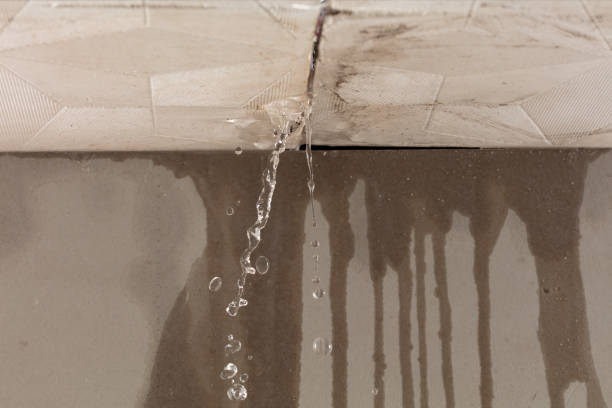
These general steps apply to most Tow water emergencies, situation permitting.
If the water is coming from a pipe or appliance you can safely reach, shut off the supply valve or main line.
Never touch switches, outlets, or appliances near standing water — the shock risk is real.
Relocating valuables and lifting rugs can reduce secondary damage while you wait.
A quick photo record of standing water and affected belongings smooths out the claims process.
Some airflow helps, but professional drying equipment is still necessary to prevent mold from settling in.
The sooner you call, the sooner a Tow technician starts heading your way.
Plenty of Tow property owners try handling a small water event themselves before calling us. Here's what usually gets missed.
What makes DIY cleanup risky isn't the initial mop-up — it's everything you can't see afterward. Household fans move air across a surface, but they don't pull moisture out of building materials the way commercial dehumidifiers do, and that gap is where Tow homeowners end up with mold problems months later.
There's also the insurance side. Without professional documentation — moisture readings, photos, a written scope — it's harder to support a claim if secondary damage shows up later. Our Tow technicians build that record as part of every job.

Every vehicle in our Tow fleet carries commercial extraction pumps, industrial dehumidifiers, and thermal imaging cameras — the same gear used on large commercial losses, scaled for residential jobs.
A rental-store fan moves air across a surface. Our dehumidification setup actively pulls moisture out of building materials, cutting drying time from weeks down to days on most Tow jobs.
Equipment that isn't maintained loses efficiency long before it visibly fails. Our Tow fleet gets regular servicing so performance stays consistent, job after job.
We'd rather explain our guarantee plainly than bury it in fine print.
If our Tow technicians miss moisture somewhere, or a drying target wasn't actually met before equipment was pulled, we come back and correct it at no additional cost — whether the issue is found the same week or a month later.
Our estimates aren't padded ceilings — a smaller-than-expected job costs less, and a bigger one gets flagged and approved by you before we move forward.
Filing a claim after a water loss can feel overwhelming — our Tow team handles the documentation side so you don't have to.
From the moment our Tow technician arrives, we build a documentation file — photos, moisture readings, a written scope of work — formatted the way Tow adjusters recognize, which tends to speed up claim approval.
In many cases we can bill your insurer directly rather than requiring full payment up front. Coverage varies by policy, so our Tow team will walk you through what to expect.
If a dispute comes up over scope or coverage, we can provide additional documentation or speak directly with the adjuster on your behalf — we'd rather resolve it with paperwork than leave you stuck negotiating alone.
Our Tow footprint covers residential neighborhoods and commercial districts alike.
Unsure whether we reach your specific Tow address? One quick call to +1-844-499-0972 will confirm it.
Whether you're in a dense Tow neighborhood or a property further out toward the edge of our service area, our dispatch network is built to keep response times consistent — that means staging crews and equipment throughout Tow rather than relying on a single central depot.

This map shows our general Tow coverage footprint. Call +1-844-499-0972 to confirm coverage for your address.
One call to +1-844-499-0972 gets a certified Tow technician heading your way — 24 hours a day, 7 days a week, including holidays.
📞 Call +1-844-499-0972